
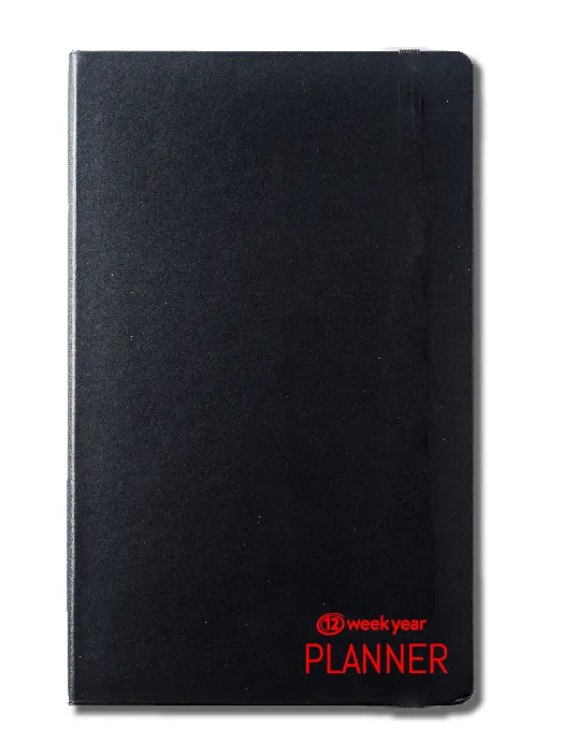
This one is obvious, and it deserves to be first.
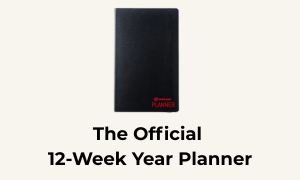
The official 12-Week Year planner is the only planner on this list that doesn’t require translation. Everything is already aligned to the system: goals, weekly plans, execution, and scorekeeping.
What it’s like to use
At first, it feels almost plain. There’s no extra space to think out loud. No room to decorate.
Then around Week 4 or 5, that plainness becomes the point.
You can’t over-explain missed weeks. You can’t redesign the plan halfway through to make yourself feel better. The planner just sits there and reflects what actually happened.
That’s uncomfortable—but useful.
What works
Built strictly around 12 weeks. Very loyal to the source – important ! ! !
Weekly focus is unavoidable
Scorekeeping stays visible
No temptation to drift into daily busywork
What doesn’t
Very rigid
Not forgiving if you like flexibility or creative planning
Who it’s for
If you want the cleanest, least distracting way to run the 12-Week Year exactly as designed, this is still the safest choice.
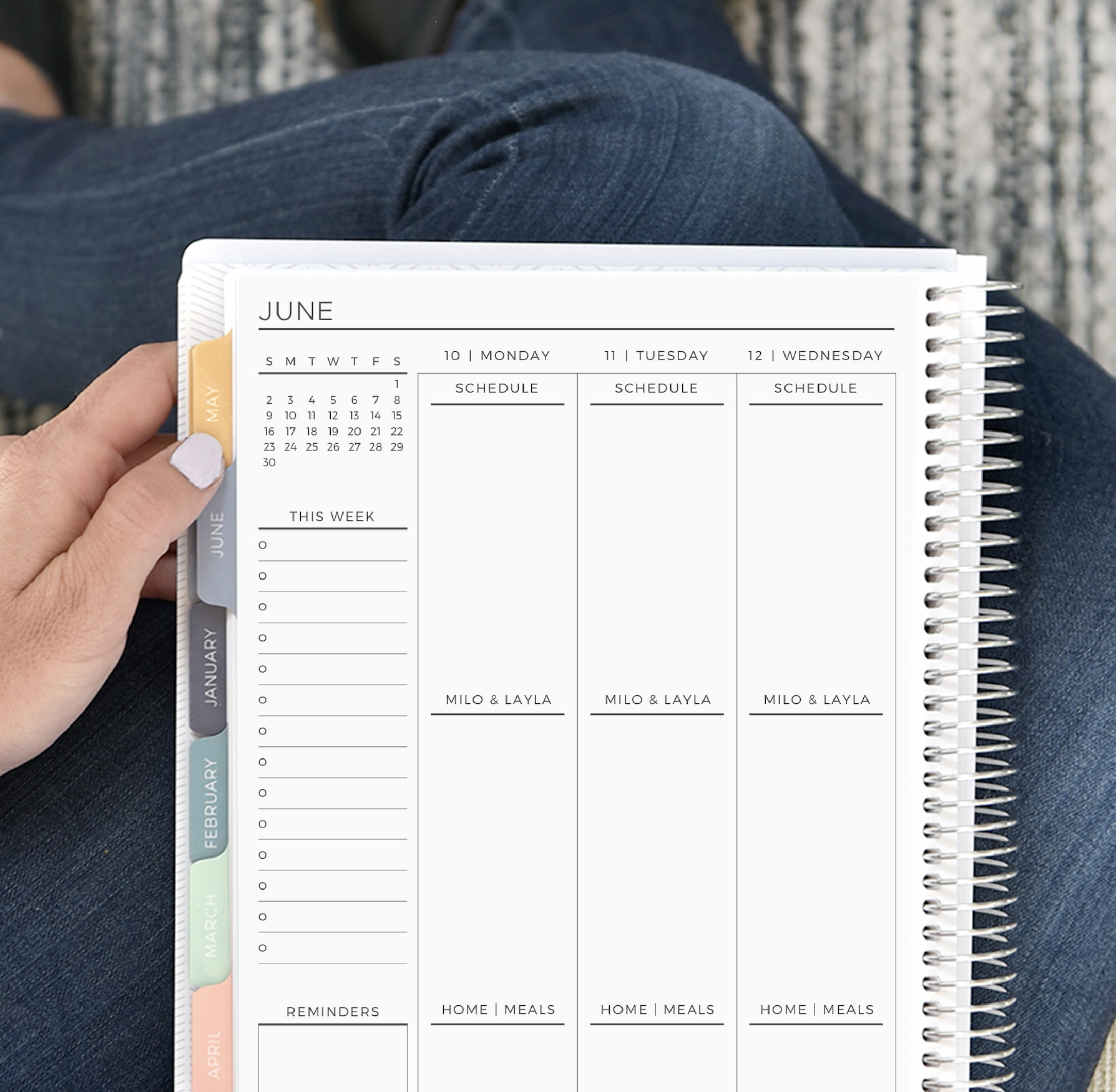
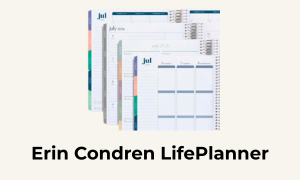
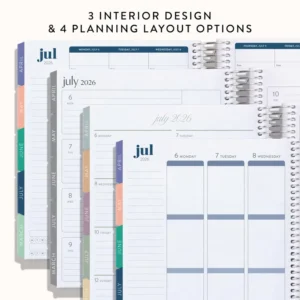
The Erin Condren LifePlanner is popular for a reason. The paper is excellent, the layout is clear, and it’s genuinely pleasant to use.
It’s not a 12-Week Year planner—but it can work.
What it’s like to use
The first couple of weeks feel great. There’s plenty of room to write. Weekly spreads are clear.
Then something subtle happens: you start listing more than you should.
By the first real weekly review, we noticed execution slipping—not because the goals were unclear, but because the planner made it easy to plan too much.
We fixed that by physically limiting ourselves: fewer weekly tasks, ignoring the monthly sections almost entirely, and treating each quarter as a separate 12-week block.
(I personally actually quite loved it. It has this design chick that’s almost irresistible. I wish they had a focused 12-Week Year planner)
What works
Strong weekly layout
Excellent build quality
Easy to scan at a glance
What doesn’t
Too much space can dilute focus
Monthly pages add noise for 12-week planning
Who it’s for
People who want structure and quality, and are disciplined enough to impose constraints.
(and also appreciate deep design quality (I am…)).
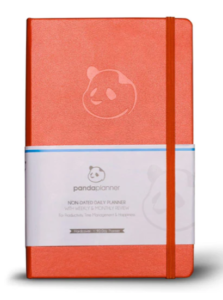
Our team had a struggle and a fierce debate on whether to include this planner, but eventually, we really liked the design of it.
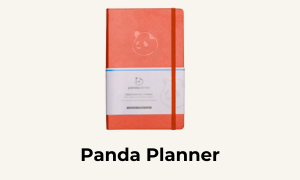
The Panda Planner is more of a productivity planner than a traditional life planner, and that shows.
It’s especially helpful if consistency is your weak point.
What it’s like to use
Execution improves quickly. Daily focus is strong. You feel “on track” almost immediately.
Around the middle of the cycle, though, we noticed a tendency to sink into the day-to-day. Weekly goals were still there, but attention drifted toward checking boxes rather than moving the needle.
The adjustment was simple: weekly pages became the authority, daily pages became optional.
What works
Encourages daily follow-through
Clear task focus
Good for rebuilding habits
What doesn’t
Can pull attention away from weekly outcomes
Not designed for long-range planning
Who it’s for
If you struggle with consistency or procrastination, this planner can support a 12-Week Year—as long as you stay anchored to weekly goals.
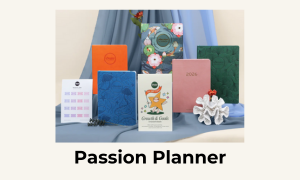
The Passion Planner attracts people who care about meaning and direction, not just output.
That can be a strength—or a distraction.
What it’s like to use
Early on, the vision work feels grounding. Weekly layouts are solid.
Later in the cycle, reflection sections start competing with execution.
We found ourselves writing thoughtful notes during weekly reviews instead of making hard calls about what to fix next week.
Once we trimmed the reflection and focused only on the weekly plan, it worked much better.
What works
Good balance of vision and structure
Clear weekly layout
Encourages intentional planning
What doesn’t
Reflection can crowd out execution
Requires restraint to stay practical
Who it’s for
People who want their 12-Week Year tied to a bigger picture—but can stay disciplined.
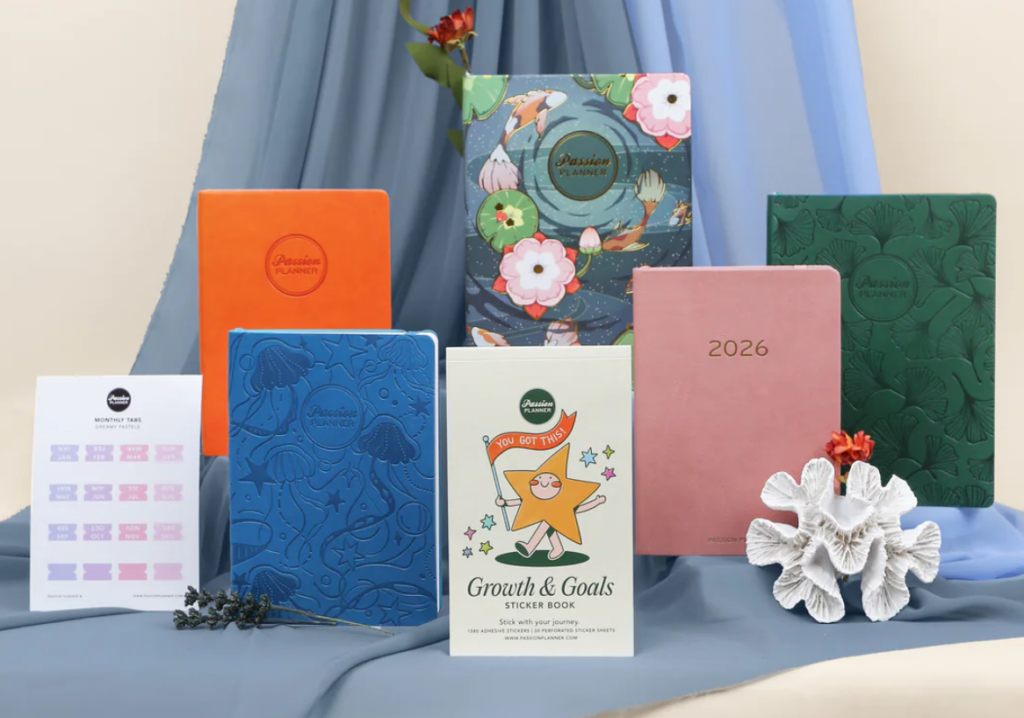
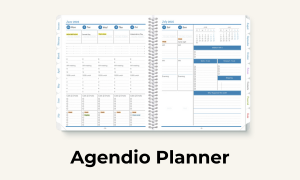
Agendio is a different beast. It’s a fully customizable planner, which means it’s only as good as the decisions you make while designing it.
What it’s like to use
When set up correctly, it’s excellent. Weekly pages can mirror the 12-Week Year perfectly.
When set up poorly, it becomes cluttered fast.
The key is simplicity: weekly commitments, space to track execution, minimal extras.
What works
Full control over layout
Easy to remove annual thinking
Works well as an undated planner
What doesn’t
Too much freedom for beginners
Setup requires clarity about the system
Who it’s for
Experienced 12-Week Year users who know exactly what they need on the page.
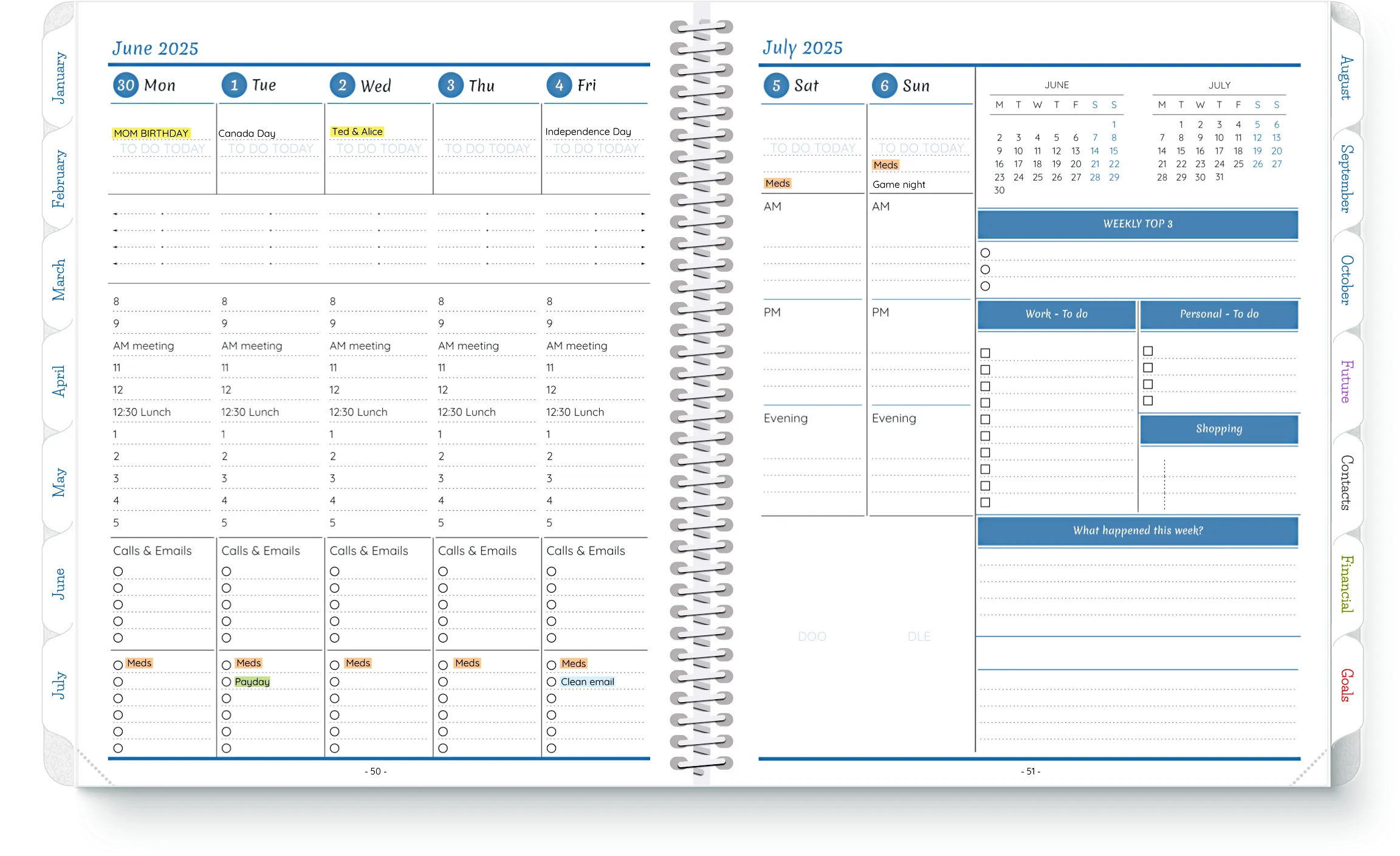
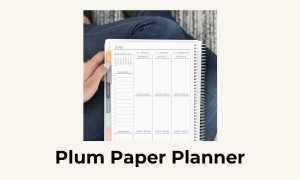
The Plum Paper planner is understated, and that’s its strength.
It doesn’t try to guide you. It just stays out of the way.
What it’s like to use
There’s very little friction. Weekly spreads are clean. No prompts pulling you in different directions.
That also means there’s no built-in accountability. You bring the system; the planner holds the space.
What works
Clean weekly spread
Minimal distractions
Easy to adapt to 12-week cycles
Available in A5 and other practical sizes
What doesn’t
No execution framework built in
Requires strong habits
Who it’s for
People who already understand the 12-Week Year and just want a clean, reliable container.